Author: Xabi Otero
•11:55 PM
Azken egunotan, Donostian erregistratu diren olatu erraldoien berri izan dugu Euskal Herrian. Tenporala izenarekin ezagututa, berriz ere itsasoak bere boterea erakutsi digu gizakioi. Euskaldun gehienak oso harrituta daude, baina hau al da harritzeko modukoa? Aldaketa klimatikoaren ondorioa apika?

Egia esan, Donostian oso ugariak izan dira tenporal hauek historian zehar eta zorionez, dokumentu grafikoak baditugu. Segidan aurkeztuko diren argazkiek Gipuzkoako hiriburuan urte ezberdinetan jazotako itsas-ekaitzak islatzen dituzte (ezkerretatik eskubitara eta goitik behera: 1923, 1927, 1933, 1935 eta 1944). Eta argi ikusten da azken argazkian olatu handiek eragindako suntsipena Paseo Berrian, egun gertatzen den antzera. Halaber, nire amonak kontatu zidan bere gaztaroan horrelako olatuak gertatzen zirela behin baino gehiagotan, eta halako batean, Donostiako espigoia eraiki zuten baino lehen, olatuak Mirakruz Kalera heldu zirela. Beraz, fenomeno berria ez da, inolaz ere, eta badirudi ez dela areagotu denboraren poderioz.
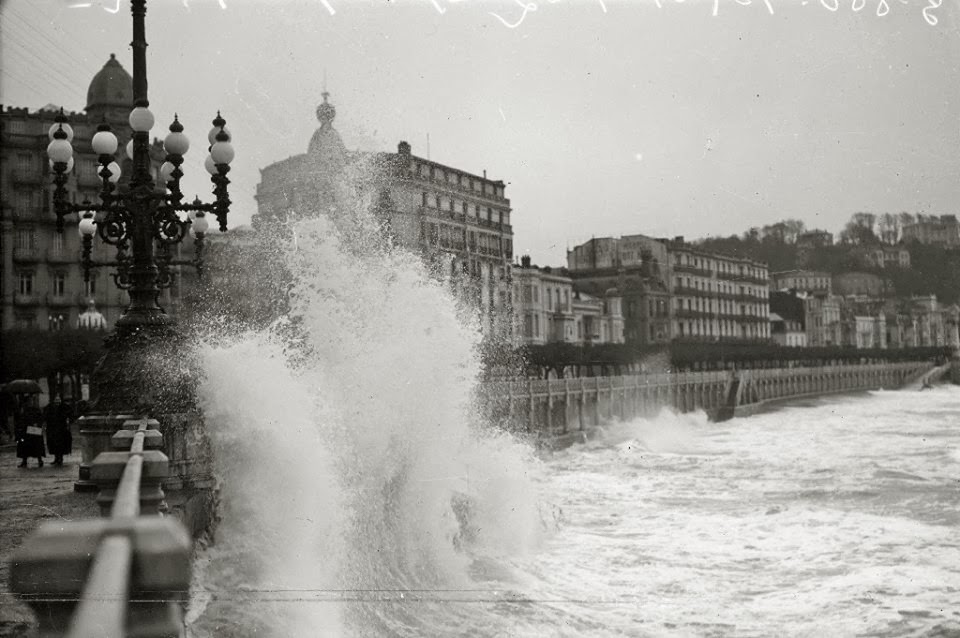


Iturria: San Sebastián Desaparecida Facebook-eko taldetik ateratakoak. Honek, aldi berean, Kutxatekatik atera ditu.

Hala izanik, esan dezakegu marea bortitz hauek naturalak direla. Eta hona iritsita, mareak sortzearen arrazoiak esplikatzea komenigarria da. Horretarako, Eguzki-Lur-Ilargi sistemara joko dugu. Sistema honetan, gorputz bakoitzak besteak erakartzen ditu grabitatearen bitartez. Baina indar hau distantziaren menpe dago; zenbat eta gertuago, orduan eta indar handiagoa egongo da.


Iturria: Introduction to astronomy deituriko irakasgaiaren apunteak, nik aldatuta.

Eguzkia eta Lurra soilik aintzakotzat hartuz gero, goian agertzen den irudi bat edukiko genuke. Goiko marrazkiak Lurra irudikatzen du (zirkulu beltzaren bidez) eta ezkerretara eguzkia kokatu behar genuke. Esan dugun gisan, Eguzkiak Lurrarengan erakartze-indarra aplikatzen du Lurraren zentrutik R distantzia batera; era berean, kontrako norabideko magnitude bereko indar bat sortzen da Lurrean, indar zentrifugoaren izenarekin ezagutzen dena eta Eguzkiaren grabitate-indarra konpentsatzen duena. Indar zentrifugoak intentsitate-balio berak izango ditu Lurraren edozein punturako, grabitatea puntuaren arabera ezberdina den bitartean, Eguzkiarekiko distantzia (R) aldatzen delarik. Adibidez, A punturako, Eguzkiarekiko distantzia jaitsi da R(A) puntura zeinen balioa R(A) = R - Lurraren Erradioa baita; arestian aipatu izan den lez, indarra igotzen da distantzia murrizten den heinean, beraz A puntuan, eguzkiak ezartzen duen indarra handiagoa da Lurraren zentruarekin alderatuz eta honek esan nahi du indar zentrifugaren magnitudea gainditzen duela. C puntuan, aldiz, distantzia R(C) handiagoa da (R(C) = R + Lurraren Erradioa), beraz indarra txikiagoa izango da, berriz indar zentrifugoarekiko desoreka bat sortuz. Amaitzeko, B eta D puntuek zentruaren indar-intentsitate berbera izango dute (R(B) = R(D) = R), baina norabidea zertxobait okertuko da Eguzkiaren zentruaren kokapena dela eta. Honen guztiaren ondorioz, goiko irudiko gezi horiek indikatzen digute zeintzuk diren Lurraren zentruan ezartzen den indarraren eta puntu horien indarren arteko diferentzia. Honek esan nahi du eguzkia nolabait saiatzen dela Lurraz tiratzen marrazkian grisez agertzen den (exageratutako) irudi bat emanez.

Alabaina, Lurra zurruna da eta ezin da modu horretan deformatu; itsasoa, ordea, fluidoa da eta deformatu ohi da hain ezagunak diren mareen bidez. Itsasgora A eta C bezalako puntuetan gertatuko da eta itsasbehera, B eta D puntuen longitude bera duten edozein tokitan.

Hala ere, Eguzkia ez da mareak sortzen dituen eragile bakarra, ezta garrantzitsuena ere. Hori Ilargiaren esku gelditzen da, zeinek, masa askoz ere txikiagoa daukan arren (indarra masa handiagoekin ere areagotzen da), Lurretik oso hurbil kokatzen denez gero, marea handiagoak sortzeko gai baita. Ideia bat izan dezazuen, eguzkiaren ondorioz sortutako mareak ilargiaren ondorioz sortutakoak baino % 46 txikiagoak dira, gutxi gora-behera.


Iturria: http://wc1.smartdraw.com/examples/content/examples/10_education/1_astronomy/phases_of_the_moon_l.jpg

Orduan, Ilargia mareen eragile nagusia dugu eta dakigun bezala, gorputz honek fase berezi batzuk aurkezten ditu hilabetero. Fase hauen existentzia Eguzki-Lur-Ilargi sistemaren kokapenari hertsiki lotuta daude. Hala, ilberria dagoenean, Ilargia Lurra eta Eguzkiaren artean kokatzen da; era honetan, Eguzkiak argitzen du Lurretik ikusten ez dugun Ilargiaren partea (hau da, Ilargiaren aurpegi urruna). Guretzat, Ilargia ilun agertzen da. Ilbetea dagoela esaten dugunean, berriz, Lurra kokatzen da sistemaren erdian, beraz Eguzkiak guretzat ikusgarria den Ilargiaren partea argitzen du (Ilargiaren aurpegi hurbila). Tarteko faseetan, Ilargia ez dago ez Lurraren aurrean, ez Lurraren atzean, irudiak erakusten duen gisan.

Hau esanda, zein fasetan espero zenukete marea handienak kokatzea?


Iturria: Waves, tides and shallow water processes. The Open University.

- Ilberria (goiko irudia) eta Ilbetea (beheko irudia): hauek ematen direnean, esan den legez, Eguzkia eta Ilargia norabide berean daude (syzygy-n), Ilargia Lurraren aurrean edo atzean egonda ere. Honek suposatzen du Ilargi zein Eguzkiaren erakartze-efektua areagotu egingo dela Lurrean eta deituriko udaberri-marea edo ingelesez spring-tide izugarriak eratuko dira.


Iturria: Waves, tides and shallow water processes. The Open University.


- Ilgora eta Ilbera: Ilargia eta Eguzkia ez daude syzygy-n edo norabide berean; beraz, Ilargiak ezartzen duen erakartze-indarra perpendikularra da eguzkiak ezartzen duenarekiko. Hau dela medio, nolabait bi indar horiek gehiago orekatzen dira eta marea baxuagoak sortzen dira, marea hilak edo ingelesez neap tide kontzeptuarekin ezaguturikoak.


Iturria: http://thewatchers.adorraeli.com/uploads/perigee.png

Kasualitatez, egun hauetan (baita urtarrilaren hasieran ere) ilberriaren fasetik gertu egon gara, gaur bertan (urtarrilak 30a) ilberria egonda. Eta ilberria egoteaz gain, aintzat hartu behar dugu Ilargiaren orbita pixka bat eliptikoa dela, zeinek inplikatzen duen momentu batzuetan, Ilargia Lurretik gertuago egongo dela (perigeo) eta beste batzuetan, aldiz, urrunago (apogeo). Gertutasun edo urruntasun horrek distantzietan % 13ko aldaketak eragingo ditu, mareak % 20an aeragotuz edo murriztuz.

Laburbilduz, egun hauetan koinziditu du, alde batetik, ilberria eta bestetik, Ilargia perigeotik gertuko kokapena. Hau gutxi balitz, borrasken ondorioz finkatu den eguraldi desegonkorrak mareen egoera areago okertu du. Beraz, badugu suntsipenak sortzeko gaitasun izugarri altua duen elementu ezberdinen konbinaketa bat. Zer falta zaigu gure nahasketa leherkorrean are suntsitzaileagoa izan dadin?

Itsasotik gertu ezarri den hiri bat, hain zuzen, aldaketa hauekiko oso sentikorra dena. Horixe da Donostiak jokatuko duen papera, beraz. Arrisku naturalen ikuspuntutik, arrisku bat agertzen da bakarrik gizakiak balizko mehatxu natural baten ondoan bere bizilekua eraikitzen duenean. Donostia itsasoari irabazitako lurretan hazi da eta bere paisaia esanguratsuenen artean, Kontxa, Haizearen Orrazia, Paseo Berria edo Kursaala egongo lirateke, eta guztiak itsasotik oso hurbil kokatzen dira. Horregatik, halako fenomenoak gertatzen direnean, itsasoak nolabait bere eremua eskatzen du bueltan, bidean aurkitzen dituen edozein azpiegitura deuseztatuz. Beste hitzetan esanda, Donostiaren kokapen ederrak koste bat dakar.

Orduan, zein da irakaspena? Muturreko gertakariak dira ala aldiz, nahiko ugariak diren eta baldintza naturalen menpe mugitzen diren fenomenoak? Aldaketa klimatikoak eraginik al du kasu honetan ala ekonomiak kontrolatutako hiritartze-prozesuei bota behar genieke errua? Noiz arte pairatu behar ditugu euren burua elite izendatzen dutenek gauzatutako akatsak, etekinak ateratzea helburu bakar dutenak?

Esaldi batek dioena apur bat aldatuz, "Gertakari baten interpretazioa aldatzen da segun eta ze kristaletik begiratzen duzun". Ba agian bada kristala aldatzeko garaia.

BIBLIOGRAFIA:

- COURSERA, 2013-2014. "Introduction to astronomy" izeneko irakasgaiaren apunteak.
- THE OPEN UNIVERSITY. 1999. Waves, tides and shallow-water processes, second edition, pp 50-88.
Author: Xabi Otero
•9:07 PM


Figure 1: Cotopaxi glacier's majestic and impressive shape.
The Cotopaxi glacier is located in Ecuador and was discovered in 1802 by Alexander von Humboldt. It is located 75 km southeast of Quito (capital of Ecuador) and it's the second highest peak of the country with 5897 metres. It is actually covered a volcano that turns out to be quite active.

Figure 2: Cotopaxi glacier's map, showing its equatorial latitude that strongly influences the character of the glacier.
As we can see in the map, the glacier is located in Equatorial latitudes, the glacier will present characteristics typical of equatorial ice bodies. For example, precipitation is the key to understand its existence, because the high temperatures according to its latitudes would prevent such element from developing. Yet high precipitation rates (accumulation) would exceed melting occuring throughout the year (ablation). Besides, because the equatorial climate displays similar temperature values throughout the year, the ELA (a glacier concept indicating the point where accumulation equals ablation) doesn't seasonally vary in altitude. This is totally opposite to what happens to glaciers in high or mid-high latitudes, where seasonality is great and therefore, the ELA appears at different altitudes in the different seasons. If climate is warmer, ablation increases, so the ELA will go higher in altitude; the opposite phenomenon would be registered in a cooling climate context. As a result, Equatorial glaciers are very sensitive to climate change, so minimum alterations in termperature will trigger enormous fluctuations in the glacier mass.

Figure 3: Since the Little Ice Age (finishing by the end of the 19th century), tropical glaciers have been retreating. Evidence of it is the elevation of the ELA in the Telata glacier (Bolivia); ELA's elevation is related with increasing ablation as a consequence of warmer temperature (more ablation occurs, so the point where ablation equals accumulation appears higher in altitude).
Since the Little Ice Age, the ELA has gone up 300-400 metres higher, most of which happening in the last 75 years. In fact, temperatures have risen by 0.10ºC per decade, amounting to a total of 0.70ºC, and the main consequence for temperature is the decrease of cloudiness and precipitation. This is also true for other glaciers located in tropical or equatorial latitudes, as we can clearly identify in the graph above.

However, development of glaciers is not easy to monitor, as they're deeply affected by such perturbations as the ENSO phenomenon, which presents annual variations (especially in February-May and in September) of 0.7-1.3ºC. As said, these variations, despite looking tiny, they're significant for fluctuations in ice mass balance (mass balance = ablation - accumulation).

Figure 4: CO2 liberation in mol/m2/yr.
But before going through these oscillations caused by the ENSO phenomenon, let's have a look at the normal situation. The map above represents the liberation of CO2 from the ocean to the atmosphere. As we can see, there's a red spot along the South American western coast (i.e. high CO2 liberation rates), explained by the upwelling of deep water to the surface. This phenomenon happens because the northeasterly winds from the northern hemisphere collide with the southeasterly winds from the southern hemisphere and so do the waters from both sides of the planet. As a result, divergence of water masses is produced thus leaving a gap in surface water compensated with waters from the bottom (upwelling). That is what makes the Humboldt Current (flowing along the Peruvian coast) colder and because upwelling brings nutrients from the depths to the surface, these waters are extremely rich, so a wide variety of marine fauna can thrive there.

Figure 5: ocean surface temperature during El Niño y La Niña episodes across the Equatorial Pacific.
However, this average pattern may be altered by extraordinary events known as the ENSO phenomenon, made of two main different episodes: El Niño and La Niña.

- During La Niña episode, the easterly winds are intensified, so they're capable of transporting more amount of surface water westwards. Consequently, in South America bottom water tries to compensate for this lack of mass and rises to the surface, thus bringing colder temperatures to the region. Snowfall will increase and constant, fast winds will trigger sublimation (i.e. water will be converted from solid into gas); after all, faster winds are able to move water vapour away, leaving the air mass with larger water-holding capacity. Sublimation will favour cloud generation.
- During La Niña episode, the usual easterly winds pattern is drastically altered and the winds will come then from the west, moving surface water from the west Pacific to the East Pacific. This surplus of water will thus block upwelling and as a result, warmer temperatures will be registered, which will favour rainfall rather than snowfall. Furthermore, low winds speed favour melting instead of sublimation, so cloudiness will be diminished.

Figure 6: Mass balance of the Antizana glacier (just beside Cotopaxi; check the map of figure 2). Notice the glacier growth during La Niña episode of 1999-2001.
To sum up, La Niña events will result in positive mass balance (i.e. the glaciers would grow), whereas el Niño episodes would trigger negative mass balance (that is to say, glacier retreating). These results are reflected in the graph above; indeed, the Antizana glacier (next to Cotopaxi) grew during La Niña episode of 1999-2001. That's what makes glaciers overall tendencies more complicated, as one might have thought the glacier was expanding again during these short period.

Figure 7: Cotopaxi glacier's retreat. Left satellite image was takenin 1986 and the right one in 2007.
Nevertheless, evidence shows that the Cotopaxi glacier is retreating at quite an alarming rate, as we can clearly observe in the image above showing the glacier coverage for 1986 and 2007. In fact, this glacier lost 30 % of its mass during 1956-1976, and other 40 % of its mass for the period 1976-2010. The consequences this retreat may bring about are noteworthy:

- Smaller glaciers that have already disappeared have caused a decline in agriculture and tourism, as well as biodiversity loss.
- As glaciers supply Quito with fresh water, their retreat will certainly be a threat for the population. Some authors said that 10-35 % of the fresh water consumed in Quito originates in the glaciers, but this number has dropped to 4 % in latest research.
- A more worrysome issue is the future of energy production. In fact, 50 % of the energy of the country is produced by hydroelectric power, closely related to the status of a glacier. Raising awareness of the population about the effects of climate warming is essential and a correct management could save great amounts of money (for example, in producing power by other means).
- Increased volcanic risk, since the volcano would have less pressure above it.
- A characteristic feature of the Peruvian landscape, called "páramos" (grasslands), would be in danger of disappearance. These landforms are fed by glaciers by 25-35 %, and glacier water plays a major role in the preservation of these structures that act as sponges, especially during the drier period of November-February. Two pictures of these wonderful geomorphological feature are displayed below.


Figure 8: Andean páramos, mostly fed by glaciers.
Therefore, correct management becomes crucial for the preservation of glaciers as a wonderful landscape and as a means to ensure human subsistence. This is particularly true in a scenario of climate warming for the 21st century, by whose end 4-5ºC hotter temperatures are expected. Yet updated and more widely distributed instruments are required to estimate more precisely the development of such a breath-taking and harmonic landform as the Cotopaxi glacier.

SOURCES: 
http://www.cathalac.org/lac_atlas/index.php?option=com_content&view=article&id=32:cotopaxi-ecuador&catid=1:casos&Itemid=5
http://news.bbc.co.uk/2/hi/americas/8629527.stm
http://www.tourism-master.nl/2009/10/02/effects-of-climate-change-in-the-cotopaxi-volcano-ecuador-and-its-influence-on-tourism/


URIARTE, A (2009). Historia del clima de la Tierra.
VERGARA, W. Economic impacts of rapid glacier retreat in the Andes. Eos, Vol. 88, No. 25, 19 June 2007.
VUILLE, FRANCOU, WAGNON, JUEN, KASER, MARK & BRADLEY (2007). Climate change and tropical Andean glaciers: past, present and future.
Author: Xabi Otero
•4:52 PM
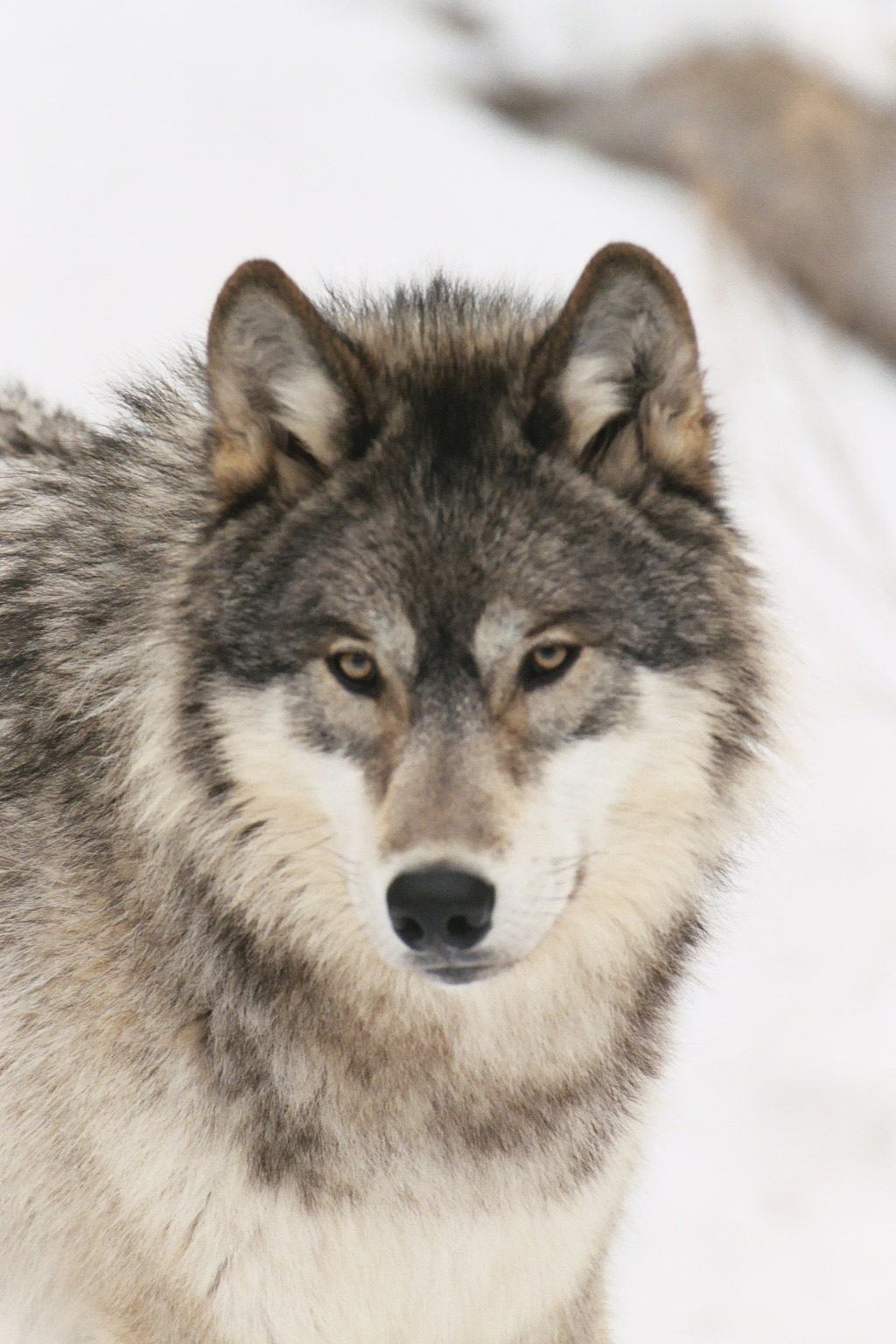
Basándome en el libro "The last wolf", de Jim Crumley, me gustaría escribir unos párrafos en defensa de la que es mi especie favorita en la tierra: el lobo. En realidad, este animal ha sido perseguido y matado brutalmente en numerosos lugares del planeta en respuesta a un sentimiento de odio extendido entre la humanidad.


Fuente: http://howlingforjustice.files.wordpress.com/2011/06/winter-wolf-all-about-wolves.jpg

Sin embargo, este sentimiento no ha existido desde siempre.

A) LGM - Prehistoria.

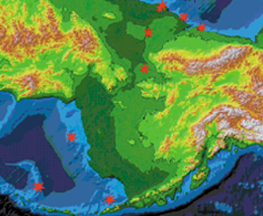
Si nos remontamos al Pleistoceno, los lobos eran los mamíferos más comunes, y fueron los primeros en ser domesticados. Durante el Último Máximo Glaciar (LGM, hace unos 20.000 años), el nivel del mar había descendido, lo que hizo emerger una pasarela terrestre entre Asia y América del Norte en lo que hoy es el estrecho de Bering (véase Figura 1). Los grandes herbívoros de América se aprovecharon de esta conexión y la cruzaron, encontrando al otro lado ricas áreas de pasto. Los lobos persiguieron a estos herbívoros y los empujaron gradualmente hacia el oeste, y debido a ello los caballos alcanzaron las partes más occidentales de Europa.

Figura 1: El Estrecho de Bering durante el LGM. Las áreas verdes representan las tierras emergidas.
Fuente: http://www.geotimes.org/jan03/feature2_topLGM.jpg

Después de la glaciación, Canis lupus (el lobo) y Homo sapiens pudieron adaptarse a la nueva situación con relativa facilidad. A pesar de que ambos fueran cazadores, los lobos eran mejores, por lo que los humanos aprendieron de los lobos a cazar de un modo más eficaz, llegando a tratar al lobo como a un profesor. Evidencia de esto aparece en pinturas, grabados, escrituras y en el boca a boca.


B) Comienzo de las civilizaciones humanas.

La relación entre humanos y lobos se deterioró cuando los primeros se volvieron sedentarios. Con la invención del fuego, la humanidad podía crear praderas donde antes había bosques (destruyendo así el hábitat de los lobos) para que los animales domésticos pudieran pastar. Por consiguiente, proteger al ganado de los lobos se volvió necesario, lo que enfrentaría a la raza humana con los lobos.

Sin embargo, el mito de Rómulo y Remo, los fundadores de Roma que fueron alimentados por una loba y quienes trajeron la paz con las Sabinas (cuyo animal de culto era el lobo) devolvió al lobo su anterior elevado estatus.


C) Cristianismo y la Edad Media.

Cuando se estableció el cristianismo, puesto que consideraba al Señor un buen pastor, los lobos que se alimentaban del ganado eran la misma personificación del Diablo. En consecuencia, se formularon centenas de mitos que hablaban sobre feroces lobos grandes y negros que atacaban a gente corriente, lo cual alimentó el odio hacia esta especie, odio que aún sigue muy arraigado en la población humana. En este libro, el autor trata de descreditar algunos de estos mitos:

- En primer lugar, deberíamos tener en cuenta que los mitos cambian considerable y rápidamente con el paso de los años, y tienden pro lo general a exagerar progresivamente la realidad. Por ejemplo, los lobos son descritos como criaturas más grandes de lo que en realidad son (véase Figura 2) y la mayoría de las personas que nunca han visto un lobo en directo son de esta opinión. Además, ningún lobo negro ha sido encontrado en Europa, mientras que muchas historias contadas en Escocia describen lobos feroces de color negro.


Figura 2: Lobos europeos cazando un ciervo. Reparad en la diferencia de altura.
Fuente: http://www-tc.pbs.org/wnet/nature/files/2008/08/610_ag_graywolf1.jpg

- En segundo lugar, el ciervo, el reno, el alce, la cabra y el jabalí salvaje son las presas preferidas de los lobos, lo cual significa que los lobos cazan ganado solamente en caso de que los animales restantes hayan desaparecido. Por ello, si los lobos empezaron a cazar animales domésticos fue porque los humanos estaban también cazando los animales anteriormente mencionados.

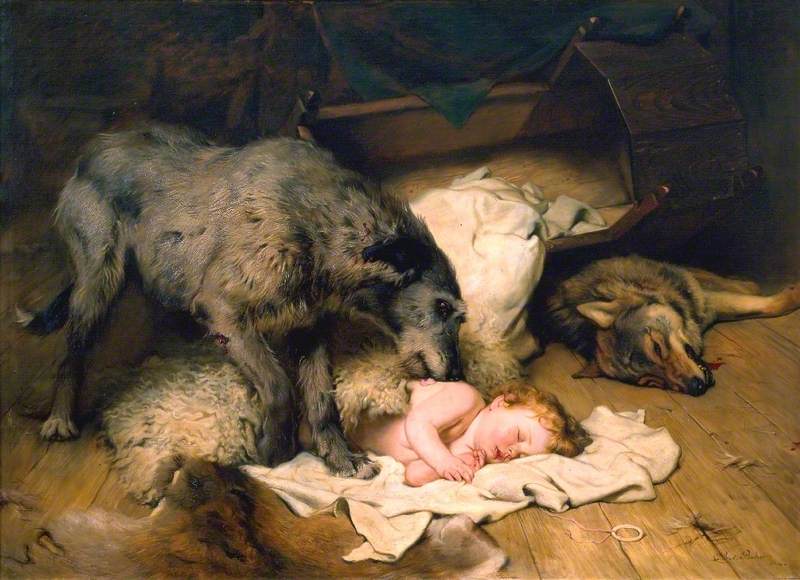
- Por si esto fuera poco, dichas historias contadas en Escocia contenían aspectos increíbles y sobrenaturales (véase Figura 3): siempre había un héroe alto y fuerte, quien por cierto, guardaba cierta similitud con William Wallace; esto se explica porque los victorianos escucharon estas historias cuando estaban construyendo el monumento en honor a William Wallace en Stirling. Este personaje heroico se peleaba a fondo con un lobo muy grande y fiero que ponía su vida en peligro, pero al final, algo heroico occurría para dar una muerte increíble a la criatura.

Figura 3: relato galés de Gelert. Llywelyn the Great, mató a su perro fiel Gelert después de encontrarlo cubierto de sangre que creyó procedía de su hijo. Sólo después repara en que su hijo está todavía vivo, y lo que realmente había occurrido era que su perro había estado peleando con un lobo que Gelert había matado para poder defender al joven príncipe.

Fuente: http://upload.wikimedia.org/wikipedia/commons/e/e0/Gelert.jpg

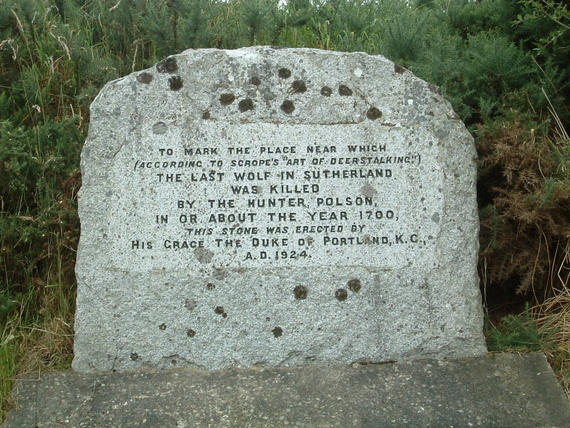
- Estas características son mucho más comunes en los relatos conocidos como el síndrome del último lobo. Este concepto se refiere al grado de excitación en los humanos para ser aquel que ejecutara al último lobo del país (un ejemplo de esto se muestra en la Figura 4). Por lo tanto, numerosos relatos narraban el asesinato de muchos últimos lobos en diferentes partes del país, los cuales además contenían los mismos rasgos: siempre había una gran loba protegiendo a su camada, con unas características aún más fieras y escalofriantes y con la cual el héroe mantenía una batalla altamente peligrosa hasta que en un momento, él demostraba sus habilidad y su superioridad en un último movimiento que daba muerte a la gran bestia. Las semejanzas entre todas estas historias nos hace poner en tela de cuestión su grado de fiabilidad. Lo más probable es que no sean verdad y que el último lobo muriera de una simple muerte; de hecho, en una localidad se asegura que un ama de casa mató al último lobo con una sartén.


Figura 4: Memorial al último lobo in Sutherland, Escocia.
Fuente: http://www.landsendjohnogroats.info/images/northern_scotland/570/67_helmsdale6.jpg

- Por último, los apellidos de guerreros y reyes de gran renombre que contienen la palabra lobo evidencian el alto estatus concedido por esta especie. Dichos apellidos son Ethelwulf (El Noble Lobo), Berthwulf (El Ilustre Lobo), Eadwulf (El Próspero Lobo) y Ealdwolf (El Viejo Lobo).


D) Actualidad.

Aún durante el siglo XX y XXI, podemos observar numerosos prejuicios hacia el lobo. A modo de ejemplo, os dejo un extracto de un libro de texto para niños publicado en Inglaterra durante el siglo XIX:

"Un aspecto salvaje, un aullido escalofriante, un hedor insorportable, hábitos fieros, y una disposición maligna son las principales características en su naturaleza, lo que lo convierte en peligroso y detestado mientras está vivo e inútil cuando muere. Por esta razón, cazar lobos es una diversión muy popular entre los nobles de muchos países; y es una especie de caza por la cual nadie debería sonrojarse o soltar ni una mísera lágrima" 

Sin embargo, el lobo juega un papel primordial en los ecosistemas en los que habita. Es más, su exterminación en Escocia causó degradación paisajística, ya que la falta de este depredador repercutió en una reproducción sin control de los herbívoros, lo cual impidió que los bosques se desarrollaran libremente y en última instancia, trajo consigo degradación forestal.

Afortunadamente, en muchos sitios ya se han percatado de lo necesarios que los lobos son en los ecosistemas y han realizado grandes esfuerzos por reintroducirlos en sus hábitats. Éste es el caso de Yellowstone (véase Figura 5), donde la llegada de los lobos se llevó a cabo gracias a la tribu Nez Perce. Su aparición provocó la recuperación del sauce, que a su vez atrajo a los castores que crearon ecosistemas acuáticos donde reptiles, anfibios, alces y otros animales podían prosperar. Este fenómeno es conocido ecológicamente como cascada trófica, desencadenada por un único animal.


Figura 5: Manada de lobos en Yellowstone, reintroducidos gracias a la tribu Nez Perce.
Fuente: http://www.wolftracker.com/TheWildSide/nez%20perce%20april%2012%20a.jpg

E) CONCLUSIÓN

Me gustaría resumir algunos de los puntos comentados anteriormente para finalizar este texto:

- Primeramente, mientras que el humano se comportaba como cualquier otro animal, todas las criaturas eran consideradas nuestros pares (incluso se solía rezar antes de cazar animales para invocar clemencia por los siguientes actos), excepto el lobo que, siendo mejor cazando, obtenía un estatus superior y era tratado como un profesor.

- Fue solamente cuando la humanidad se volvió sedentaria, y posteriormente empeoró con la llegada del cristianismo, cuando el lobo empezó siendo despreciado y eprseguido, ya que suponía una amenaza para el ganado. Aun así, ya hemos comentado anteriormente que los animales domésticos no son las presas preferidas de los lobos; éstas son otros animales (ciervos, alces...) y solamente van tras el ganado si estos animales desaparecen.

- Mitos sobre lobos que trataban de matar gente común fueron muy numerosos durante el medievo y todos ellos exageraban los rasgos del animal para hacerlo más agresivo y fiero para los humanos. En consecuencia, los seres humanos estaban aterrorizados cuando oían a los lobos aullar, pues creían que el lobo se hallaba cazando cerca, si bien podía estar hasta a 7,5 kilómetros de distancia; además, el aullido es un síntoma de comunicación, ya que los lobos cazan en silencio. Se pensaba que los lobos aullaban a la Luna, pero eso no es cierto; lo único que es verdad es que los lobos prefieren cazar cuando hay luna llena, debido a que entonces hay más luz.

- Hay todavía gran parte de la población que mantiene estas creencias medievales acerca de este animal. La gente los teme, a pesar de que los lobos raramente matan a humanos (como hemos dicho, prefieren ciertos animales salvajes, y después ganado); de hecho, más personas mueren de ataques de perros domésticos que de lobos.

- Su reintroducción, aunque lentamente, está teniendo lugar, sobre todo gracias a tribus tales como los Nez Perce (véase Figura 6). Es curioso comprobar que cuanto más cerca vive una tribu de los lobos, más les gustan, estando alejados de todos estos falsos mitos tan arraigados en las culturas urbanas. Asimismo, se ha probado que su restauración ha sido beneficiosa para el ecosistema ya que cazan herbívoros que de lo contrario, obstaculizarían el libre desarollo de los bosques.


 Figura 6: mujer Nez Perce dibujada junto a un lobo.
Fuente: http://photos.igougo.com/photos/journal/pref/Nez_Perce_woman_and_pet_wolf_prefRes.jpg

Como conclusión, aunque creo que el autor describe a los lobos como si fueran gatitos inofensivos, básicamente estoy de acuerdo con él y comparto sus opiniones sobre la urgente necesidad de devolverlos a los hábitats que antaño ocuparon. Por supuesto, esto podrías uponer un problema para los ganaderos o pastores, pero también deberíamos pensar sobre los beneficios ecológicos que su introducción podría traer a nuestros cada vez más degradados paisajes.


BIBLIOGRAFÍA

CRUMLEY, J. (2010). The last wolf.
Author: Xabi Otero
•5:20 PM
Jim Crumley-k idatzitako "The last wolf" liburuan oinarrituta, otsoak defendatzeko paragrafo batzuk idaztea gustatuko litzaidake. Izan ere, espezie hau jarraituta eta modu basatian akabatuta izan da planetako leku anitzetan gizakion beraiekiko gorrotoa zela eta.

Iturria: http://howlingforjustice.files.wordpress.com/2011/06/winter-wolf-all-about-wolves.jpg


Hala ere, setimendu hau ez da betidanik egon.


A) LGM - Historiaurrea.

Pleistozenora bueltatzen bagara, otsoak ugaztun ugarienak ziren eta etxekotu ziren lehenengoak izan ziren. Azken Maximo Glaziarrean (LGM, duela 20.000 bat urte), itsas maila beherago zegoen, Asia eta Ipar-Amerikaren arteko lur-zubi bat azaleratu egin zuena gaur egungo Bering itsasartean (ikus Irudi 1). Ipar-Amerikako belarjaleak lotura honetaz baliatu ziren eta gurutzatutakoan, oso aberatsak ziren belarguneekin egin zuten topo. Otsoek belarjale hauek jarraitu eta gradualki mendebalderantz eraman zituzten, eta horregatik zaldiak Europako Mendebaldera iritsi ziren.


Irudi 1: Bering Itsasartea LGM garaian. Gune berdeek azaleratutako lurrak irudikatzen dituzte.
Iturri: http://www.geotimes.org/jan03/feature2_topLGM.jpg

Glaziazioaren ondoren, Canis lupus (otsoak) eta Homo sapiens aise egokitu ziren inguru berrira. Biok ehiztariak izanagatik, otsoak hobeak ziren, beraz gizakiak otsoetatik ikasi zuen era eraginkorragoan ehiztatzen eta ondorioz, otsoa irakasle kontsideratzen zen. Honen ebidentziak aspaldiko margolanetan, grabatuetan, idazlanetan eta ahoz ahoko istorioetan gelditzen da.


B) Giza-zibilizazioen hasiera.

Bi espezieen arteko harremana gizakiak sedentario bihurtu zirenean okertu ziren zeharo. Suaren asmakizunarekin batera, gure espeziea basoak ordezkatzen zituzten belardiak sortzeko gai zen (otsoen bizilekuak suntsituz) etxekotutako animaliek bazka zezaten. Dena den, azienda otsoetatik babesteko premiak azaleratu egin ziren, gizakiak eta otsoak elkarren kontra jarriko zituena.

Hala eta guztiz ere, Romulo eta Remo-ren mitoak, hots, otso batek elikatutako Erromako fundatzaileak, zeintzuk geroago Sabinekiko bakea ekarri zuten (hauen kulto-animalia otsoa zen) otsoek aurretik zuten goi-estatusera berreskurarazi zituen.


C) Kristautasuna eta Erdi Aroa.

Kristautasuna etorri zenean, Jainkoa artzain ontzat hartzen zuenez, ganaduaz elikatzen ziren otsoak Deabruaren pertsonifikazioa bera ziren. Hori dela medio, jende arrunta erasotzen zuten otso itzel eta beltz-beltzei buruzko mito ugari formulatu ziren eta horrek Canis lupus-ekiko gorrotoa ekarri zuen progresiboki, egun oraindik ere populazioan erabat sustraituta dagoena. Liburu honetan, egileak mito horien egiazkotasuna kolokan jartzen du:

- Lehenik eta behin, mitoak denboraren poderioz izugarri azkar aldatzen direla aintzar hartu behar genuke, normalean errealitatea gradualki handituz. Esate baterako, otsoak duten altuera areagotu egiten zen (Ikus Irudi 2) eta inoiz otso bat ikusi ez duten pertsona gehienek otsoak handiagoak direlakoan daude. Gainera, otso beltzik ez da Europan existitzen, Eskoziako istorio askok otso beltz eta basatiak deskribatzen dituzten arren.


Irudi 2: Otso europarrak oreina harrapatzen. Altuera ezberdinketari erreparatu iezaiozue.
Iturria: http://www-tc.pbs.org/wnet/nature/files/2008/08/610_ag_graywolf1.jpg

- Bigarrenik, otsoen ohizko harrapakinak oreina, elur-oreina, altzea, ahuntza eta basurdea dira. Honek esan nahi du otsoek abere domestikoak harrapatuko dituzte bakarrik aurreko animaliak desagertuz gero. Hortaz, otsoak abereak ehizatzen hasi ziren gizakiok aipatutako espezie horiek ere harrapatzen zituztelako.

- Bestalde, Eskozian kontatzen ziren otsoei buruzko istorioek sinesgaitzak ziren aspektu pila bat sartzen zituzten (Ikus Irudi 3): beti heroi indartsu eta handia ageri ohi da, William Wallace-n antza izaten duena; kasualitatez, viktoriarrek Stirling-en dagoen William Wallace-n omenezko monumentua eraikitzen ari zenean entzun baitzituzten istorio hauek. Heroi honek ikaragarrizko borroka mantentzen zuen piztiarekin, bere bizitza arriskuan jarriz, baina azken momentuan heroiari zerbait bururatzen zitzaion piztiari kolpe ikaragarri eta erabakitzailea emanez.


Irudi 3: Galeseko Gelert-en mitoa. Llywelyn the Great-ek bere txakur fidela Gelert akabatu zuen animaliari odola zeriola aurkitu zuenean, bere haurrarena zelakoan egonda. Bakarrik geroago ikusten du bere semea oraindik ere bizirik zegoela, bere txakurra otso batekin borrokatzen egon baitzen, piztia basatia hil eginez printze gaztea defendatzeko asmoz.

Iturria: http://upload.wikimedia.org/wikipedia/commons/e/e0/Gelert.jpg

- Ezaugarri ikaragarri hauek are arruntagoak dira azken-otsoaren sindromea deritzon istorioetan. Sindrome honek erreferentzia egiten dio azken otsoa akabatzeko ohorea zela eta gure espezieak sentitzen zuen emozioari (adibide bat Irudi 4n daukagu). Horren ondorioz, azken otsoaren hilketa kontatzen zuten istorio ugari kontatzen ziren Eskoziako leku guztietan, antzeko ezaugarriak zituztenak: bere kumeak defendatzen ari zen otseme handi bat agertzen zen, inoiz baino handiago eta beldurgarriagoa zena, eta heroiak oso borroka arriskutsua izaten zuen harik eta heroiak bere trebetasunak eta nagusitasuna erakusteko aukera izaten zuen arte, otsotzarra heriotzara bidaliz. Istorio guzti hauen antzekotasunak kolokan jartzen du hauen egiazkotasun maila. Litekeena da egiazkoak ez izatea, zeren eta ziur aski azken otsoak heriotz sinple bat jasan baitzuen; izan ere, leku batean aldarrikatzen da azken otsoa etxeko andre batek hil zuela zartagin baten bitartez.

Irudi 4: Eskoziako Sutherland-en hildako azken otsoa gogoratzeko memoriala. 
Iturria: http://www.landsendjohnogroats.info/images/northern_scotland/570/67_helmsdale6.jpg

- Azkenik, "otsoa" hitza daramaten soldadu eta errege garrantzitsuen abizenak otsoak ekartzen zuen prestigioaren seinalea da zalantza barik. Honelako abizenak Ethelwulf (Otso Noblea), Berthwulf (Otso Ilustratua), Wadwulf (Otso Arrakastatsua) eta Ealdwolf (Otso Zaharra) ditugu.


D) Gaur egun.

Oraindik ere azken bi mendeotan ikus ditzakegu otsoarekiko aurreiritzi negatibo anitz. Esaterako, XIX. mendeko umeentzako testuliburu baten zati bat utziko dizuet:

"Itxura basatia, ulu beldurgarria, kirats jasanezina, ohitura izugarriak, eta disposizio gaiztoa bere naturaren ezaugarri nagusiak dira, zeintzuk arriskutsua eta gorrotatua bihurtzen duten bizi den bitartean, eta alferrikakoa hilik dagoenean. Hau dela kausa, otsoa ehiztatzea nobleen arteko denbora-pasa dibertigarriena da herrialde batzuetan; eta bere ehizaren ondorioz gizakirik ez da damutu behar, ezta malko bat bota behar ere".

Halere, otsoa bizi den lekuetan premiazko garrantzia duenik ezin da ukatu. Izan ere, Eskozian beraien exterminazioak paisaiaren degradazioa ekarri zuen, harrapakinaren faltaren ondorioz belarjaleak inolako kontrolik gabe ugaldu baitziren, basoen garapena oztopatuz eta hauen degradazioa azeleratuz.

Zorionez, leku batzuetan, otsoak ekosistemetan funtsezkoak direla ohartu dira eta ahalegin handiak egin dituzte beraien habitatetara berriro sartzeko. Hau Yellowstone-n kasua dugu (Ikus Irudi 5), non otsoen etorria burutu zen Nez Perce tribuari esker. Beraiek etorritakoan, sahatsaren berreskurapena gertatu zen, kastorea erakarri zuena; hauek, aldi berean, ur-ekosistemak sortu zituzten, non narrastiek, anfibioek, altzeak eta bestelako animaliek garatzerik zuten. Fenomeno hau ur-jauzi trofiko izenarekin ezagutzen da, kasu honetan animalia bakarrak bultzatutakoa.


Irudi 5: Otso-taldea Yellowstone-n bizitzen, Nez Perce tribuari esker burututako proiektua izan dena.
Iturria: http://www.wolftracker.com/TheWildSide/nez%20perce%20april%2012%20a.jpg

E) ONDORIOA.

Testu hau amaitzeko, komentatutako puntu batzuk laburtzea gustatuko litzaidake:

- Lehenik, animalien antzeko jarrera genuen bitartean, gure parekotzat hartzen genituen animalia guztiak (otoitz ere egiten zen segidan egindako ekintzen barkamena eskatzeko), otsoa izan ezik, zein ehiztatzen hobea izanik, maila gorenagoa lortzen zuen eta irakasle kontsideratuta zegoen.

- Gizakia sedentario bihurtu zenean eta Kristautasunaren etorrerarekin hasi zen otsoa mespretxatuta eta jarraitua izaten, abereentzako mehatxua suposatzen zuen eta. Hala ere, lehen esan dugun lez, otsoek bestelako animaliak harrapatu nahiago dituzte (oreina, altzea...) eta azienda aukeratzen dute aurreko animaliak behin desagertuta daudenean.

- Erdi Aroan, pertsona arruntak hiltzen saiatzen ari ziren otsoei buruzko mitoak oso ugariak ziren eta guztiek otsoaren ezaugarriak areagotzen zituzten gizakian aurkako basatiago eta agresiboagoa bihurtzeko. Beraz, jendea ikaratuta zegoen otsoak uluka zeudenean, oso gertu zeudela pentsatzen zutelako, 7,5 kilometrotara egon bazitekeen ere; horretaz gain, uluka aritzea komunikazioaren seinalea da, otsoek ixilik ehiztatzen baitute. Halaber, gizakiak pentsatzen zuen otsoek ilargiari egiten ziotela ulu, baina hori ez da benetan gertatzen; egiazkoa den bakarra da otsoek ilargi betearekin ehiztatu nahiago dutela, orduan argi gehiago dagoelarik.

- Erdi Aroko pentsamolde hauek oraindik espezie honekiko populazio gehienaren iritziaren parte dira. Jendea beraien beldur dira, nahiz eta otsoek pertsonak oso gutxitan hiltzen dituzten (esan dugun bezala, animalia basatiak nahiago dituzte, eta geroago ganadua); egia esan, jende gehiago hiltzen da etxekotutako txakurren erasoengatik otsoengatik baino.

- Otsoak, poliki bada ere, beraien habitatetara sartzen ari dira berriz, batik bat Nez Perce bezalako tribuei esker (Ikus Irudi 6). Bitxia da aurkitzea zenbat eta hurbilago bizi otsoetatik, orduan eta gehiago maite dituzte, hiri-kulturetan horren sustraituta dauden mito faltsuetatik urrun egonda. Are gehiago, frogatuta dago otsoen berreskurapenak etekinak ekartzen dituela ekosistemetarako, belarjale ugari harrapatzen baitituzte, zeintzuek otsoak egon ezean, basoaren garapen askea oztopatuko lukete.


 Irudi 6: Marraztutako Nez Perce tribuko emakumea otso batekin.
Iturria: http://photos.igougo.com/photos/journal/pref/Nez_Perce_woman_and_pet_wolf_prefRes.jpg

Laburbilduz, batzuetan autoreak otsoak katu txiki eta inofensiboak bailiran irudikatzen dituen arren, berarekin ados nago gehienbat eta aspaldi okupatzen zituzten guneetara itzultzeko bere iritziekin bat egiten dut. Jakina, baserritarrentzat arazo bat izan liteke, baina beraien existentziaren ondoriozko abantaila ekologikoetan ere pentsatu behar genuke, are gehiago geroz eta degradatuagoa dauden gure paisaien testuinguruan.


BIBLIOGRAFIA

CRUMLEY, J. (2010). The last wolf.
Author: Xabi Otero
•9:47 PM
Based on the book "The last wolf", by Jim Crumley, I'd like to write some paragraphs in defense of my favourite creature on Earth: the wolf. In fact, this animal has been pursued and brutally killed in numerous places in the planet due to a feeling of hatred widely spread among the humankind.

Source: http://howlingforjustice.files.wordpress.com/2011/06/winter-wolf-all-about-wolves.jpg


However, this feeling has not always been shared by humans.

A) LGM - Prehistory.

If we go back in time to the Pleistocene, wolves were the most widespread mammals, and the first to be domesticated. During the Last Glacial Maximum (Some 20,000 years ago), the sea level was lower, which created a land bridge between Asia and North America in the current Bering Strait (see picture 1). Big American herbivores took advantage of this connection and crossed it, finding really rich grassland areas on the other side. Wolves pursued these herbivores and gradually pushed them towards the west and that's the reason why horses reached the westernmost parts of Europe.

Picture 1: Bering Strait during the LGM. Green areas represent land over sea level.
Source: http://www.geotimes.org/jan03/feature2_topLGM.jpg

After the glaciation, Canis lupus (wolves) and Homo sapiens could adapt to the environment relatively easily. Despite both being hunters, wolves were better, so humans learn from wolves to hunt more effectively, thus treating the wolf as a teacher. Evidence of this remains in paintings, carving, writings and word-of-mouth.


B) Beginning of human civilizations.

Humans fell out with wolves when they started to be sedentary. Along with the invention of fire, the mankind could create meadows when there were forest (therefore destroying wolves' habitat) so their domestic animals could graze on them. Yet, needs to protect the cattle from wolves arose, which would oppose the human race and wolves.

However, the myth of Romulus and Remus, founders of Rome that were fed by a she-wolf and brought peace with the Sabines (whose worship animal was the wolf) restored wolf's previous high status.


C) Christianity and the Middle Age.

When Christianity came, as it considered God a good shepherd, wolves eating livestock were the personification of Devil. As a result, hundreds of myths of ferocious big black wolves attacking normal people were formulated, which led to hatred towards this species that is still deeply rooted in the human population. In this book, the author tries to dispel some of these myths:

- First of all, we should take into account that myths change greatly and very rapidly over time, and tend to progressively exaggerate reality. For example, wolves are described bigger than they actually are (see Picture 2) and most people that have never seen a wolf think this way. Moreover, no black wolves have been found in Europe, whereas lots of stories told in Scotland describe fierce black wolves.

Picture 2: European wolves hunting deer. Notice the height difference.
Source: http://www-tc.pbs.org/wnet/nature/files/2008/08/610_ag_graywolf1.jpg

- Secondly, deer, reindeer, moose, goat and wild boar are wolves' favourite prey, which means that only if they disappear wolves will start preying cattle. Therefore, if wolves started hunting cattle was because humans also were chasing the other animals mentioned before.

- Furthermore, such stories told in Scotland contained incredible and magnificent aspects (cf Picture 3): there was a strong and tall hero, quite similar to William Wallace, by the way; this could be explained because the Victorians heard these stories when they were building the monument in honour of William Wallace in Stirling. This character struggled with a really big a fierce wolf that put his life in risk, but something heroic eventually occurred leading to a highly astonishing death of the creature.

Picture 3: Welsh tale of Gelert. Llywelyn the Great, killed his faithful dog Gelert after finding him covered in blood which he presumed belonged to his baby son. Only later does he discover that his son is still alive, as his dog had been fighting with a wolf killed by Gelert to defend the young prince.

Source: http://upload.wikimedia.org/wikipedia/commons/e/e0/Gelert.jpg

- These characteristics are far more common in which is known as the last-wolf syndrome tales. This concept explains how thrilled humans were to be the one that executed the last wolf of the country (an example is shown in picture 4). Therefore, numerous tales narrated how many last wolves were killed in different parts of the country and besides, all of them contained the same features: there was a big she-wolf protecting her litter, which was even more fierce and terrigying than ever, and the hero had a very dangerous battle with the wolf until the hero showed his abilities and superiority in a last movement that put the big creature to death. The similarities between all these stories make us question about their degree of reliability. Most likely, they're not true and the last wolf may have died from a simple death; in fact, in one place it's claimed that a housewife with a frying pan hit the last wolf, thereby killing it.

Picture 4: Memorial to the last wolf in Sutherland, Scotland. 
Source: http://www.landsendjohnogroats.info/images/northern_scotland/570/67_helmsdale6.jpg

- Finally, surnames of important warriors and kings containing the word wolf evidence the high status conceded by this species. Such surnames are Ethelwulf (the Noble Wolf), Berthwulf (the Illustrious Wolf), Eadwulf (the Prosperous Wolf) and Ealdwolf (the Old Wolf).


D) Current times.

Still during the 20th and 21st century, we can observe lots of prejudices towards the wolf. As an example, I'm leaving an extract of an English children textbook from the 19th century:


"A savage aspect, a frightful howl, an insupportable odour, fierce habits, and a malignant disposition are the leading qualities in its nature, which render it dangerous and detested when living and useless when dead. For this reason, hunting the wolf is a favourite diversion among the great in some countries; and it is a species of the chase at which reason need not blush, nor humanity drop a tear." 

Nevertheless, the wolf plays an essential role in the ecosystems where it dwells. Indeed, the extermination of them in Scotland lead to landscape degradation, as the lack of this predator made herbivores reproduce uncontrollably, which prevented forests from developing and eventually drived forest degradation.


Luckily, some places have already realised how necessary wolves are in the ecosystems and have made big efforts to reintroduce them to their habitats. This is the case of Yellowstone (cf Picture 5), where the coming of wolves was carried out thanks to the Nez Perce tribe. Their arrival brought about the recovery of willow, which in turn attracted beavers that created aquatic ecosystems where reptiles, amphibians, moose and other animals could flourish. This phenomenon is known in ecology as a trophic cascade, brought about by a single animal.


Picture 5: Wolf Pack living in Yellowstone, reintroduced thanks to the Nez Perce tribe.
Source: http://www.wolftracker.com/TheWildSide/nez%20perce%20april%2012%20a.jpg

E) CONCLUSION

I would like to summarise some points commented above to finish this text:

- Firstly, as we behaved as animals, we considered all creatures our peers (we even prayed before hunting to invoke forgiveness for the following acts), except the wolf which, being better at hunting, obtained a higher status and was considered a teacher.

- It was only when the human became sedentary, and later on got worse with Christianity, that the wolf started being despised and pursued, as it became a threaten to cattle. Yet we said that before cattle, wolves prefer to prey other animals (deer, moose...) and go for cattle when the former disappear.

- Myths about wolves trying to kill people were very numerous in the Middle Age and all exaggerated the wolf's features to make it more aggresive and fierce against humans. Consequently, humans were frightened when hearing wolves howling, because they thought the hunting wolf was close, even though it could be up to 5 miles away; in addition, howling is a communication symptom, since wolves hunt in silence. Wolves were thought to howl at the Moon, but that's not true; the only piece of truth within this is that wolves use to hunt when there's Full Moon, as there's more light during this time.

- These medieval beliefs are still part of most of the population's opinion about this animal. People fear them, even if wolves seldom kill humans (as we said, they prefer some wild animals, then cattle); actually, more people die from attacks from domestic dogs than from wolves.

- Reintroduction of wolves, to their habitats although slowly, is taking place, especially thanks to tribes such as Nez Perce (cf Picture 6). It's funny to check that the closer a tribe lived to wolves, the more they liked them, as they were away from all these fake myths so rooted in urban cultures. Moreover, the restoration of wolves has been proved to bring benefits to the ecosystem because they hunt herbivores that otherwise, wouldn't let a forest freely develop.

 Picture 6: Nez Perce woman drawn with a wolf.
Source: http://photos.igougo.com/photos/journal/pref/Nez_Perce_woman_and_pet_wolf_prefRes.jpg

In conclusion, although I think the author describes wolves as if they were harmless little cats, I mostly agree with him and share his opinions about the strong need to bring them back to the habitats they once occupied. Of course, this could be a problem for farmers or shepherds, but we should also think about the ecologic benefits their introduction would bring to our more and more degraded landscapes.


BIBLIOGRAPHY

CRUMLEY, J. (2010). The last wolf.
Author: Xabi Otero
•3:14 PM
She was known as number 14 and her mate was Old Blue. Even if it does sound like the first line of a bad country and western song, it was a match made in heaven, or at least in Yellowstone, which in wolf terms is much the same thing. Biologists like Douglas Smith who are deeply embedded in the project to restore wolves to Yellostone National Park in the nothern United States give wolves numbers or, very occasionally, names, to help keep track of them. Number 14 and Old Blue were two remarkable animals, even by the rarefied standards of the tribe of wild wolves. The average lifespan of a Yellowstone wolf is three to four years. Old Blue was almost 12 when he died, at which point Number 14 had to be at least eight years younger. She learned prodigiously from such a seen-it-all-before wolf as Old Blue, so that when he died, she was equipped for anything that the North American wilderness could throw at her. But first she did something astonishing.

In the last few months of his life, Old Blue and number 14 mated one last time. But when he died, number 14 took off, leaving behind her pups and yearling wolves, leaving the territory of the pack. Alpha female wolves don't take off when they have pups, don't abandon their families. It doesn't happen. But 14 took off alone into deep snow, indo a landscape that, according to Smith, was 'so inhospitable it contained not a single track of another animal'.

She was eventually found by a spotting plane, gave it a single cold stare, then simply continued travelling until all efforts at tracking her failed. She vanished.

She was gone for a week. Then quite suddenly she turned up again, rejoined her family and the rest of the track. Smith wrote: 'Though no-one wanted to say 14 travelled alone so far because she was mourning the loss of her mate, some of us privately wondered.'


p.d. Picture randomly chosen.

Source: 

 CRUMLEY, J (2010). The last wolf.
Author: Xabi Otero
•2:03 PM
Extraído del libro: Temporal sobre el planeta. Estos fragmentos corresponden a los pensamientos de las tribuas indias americanas cuando el presidente Cleveland quería omprar sus últimas tierras en 1894:

"¿Cómo se puede vender o comprar el cielo, el calor de la tierra? Nos parece extraño. Si el frescor del aire y el murmullo de agua no nos pertenecen, ¿cómo podemos venderlos?"

"Para mi pueblo, no existe un trozo de esta tierra que no sea sagrado. Una aguja de pino que brilla, una arenosa orilla, una ligera neblina, todo es santo a los ojos y en la memoria de los miembros de mi pueblo. La savia que sube por el árbol lleva en sí la memoria de los pieles roja. Los muertos de los blancos se olvidan de su país natal cuando se van a las estrellas. Nuestros muertos no olvidan nunca aquella tierra tan hermosa, ya que es la madre de los pieles rojas. Formamos parte de ella, y ella de nosotros. Las flores que huelen tan bien son nuestras hermanas; los ciervos, los caballos, las grandes águilas son nuestros hermanos; las crestas rocosas, la humedad de las praderas, el calor del cuerpo de los poneys y el hombre pertenecen a la misma familia. Así, cuando el gran jefe blanco de Washington me manda a decir que quiere comprar nuestra tierra, nos pide mucho..."

"Los ríos son nuestros hermanos, apaciguan nuestra sed; estos mismos ríos llevan nuestras canoas y alimentan a nuestros hijos. Si vendemos nuestra tierra, tendréis que recordar todo esto y enseñar a vuestros hijos que los ríos son nuestros hermanos y los vuestros, y que, por tanto, tendrán que tratarlos con el mismo amor que a sus hermanos. Sabemos que el hombre blanco no entiende nuestra forma de ver. Para él, un pedazo de tierra es igual a cualquier otro, puesto que es un extraño que llega por la noche y saca de la tierra lo que necesita. La tierra no es su hermana, sino su enemiga; después de todo esto, se va. Abandona la tumba de su padre y los derechos de sus hijos. Trata a su madre, la tierra, y a su padre, el cielo, como cosas que se pueden comprar, saquear y vender al igual que corderos o cuentas de colores. Su apetito devorará la tierra y no dejará más que un desierto."

"El aire es valioso para el piel roja, puesto que todas las cosas respiran del mismo modo. El animal, el árbol, el hombre, todos respiran del mismo modo. El hombre blanco no parece dar importancia al aire que respira. Como un moribundo, ya no reconoce los olores. Pero si le vendemos nuestra tierra, tiene que recordar que el aire es infinitamente más valioso y que el espíritu del aire es el mismo en todas las cosas vivientes. El viento que dio a nuestro antepasado su primer soplo recibe también su última mirada. Y si os vendemos nuestra tierra, tenéis que conservarla intacta y sagrada como un lugar donde el hombre pueda ir a percibir el sabor del viento y la dulzura de una pradera florida..."

"Yo soy un salvaje y no entiendo otra forma de vivir. He visto a millares de bisontes que se estaban pudriendo por la pradera, abandonados allí por el hombre blanco que los había matado desde un tren que pasaba. Yo soy un salvaje y no entiendo cómo ese caballo de hierro que humea puede ser más importante que el bisonte que nosotros matamos para las necesidades de nuestra vida. ¿Qué es un hombre sin los animales? Si todos los animales hubieran desaparecido, el hombre moriría en completa soledad, ya que lo que les ocurre a los animales, pronto le ocurre al hombre. todas las cosas están relacionadas entre sí"

"Tenéis que enseñar a vuestros hijos que la tierra bajo sus pies no es otra cosa que la ceniza de nuestros antepasados. De este modo, respetarán la tierra. Decídles también que la tierra se ha enriquecido con la vida de nuestro prójimo. Enseñad a vuestros hijos lo que hemos enseñado a los nuestros: que la tierra es nuestra madre, y que todo lo que le ocurre a la tierra, les ocurre a los hijos de la tierra. Si los hombres escupen en la tierra, escupen sobre ellos mismos. Esto sabemos: la tierra no pertenece al hombre, el hombre es quien pertenece a la tierra. Esto sabemos: todas las cosas están vinculadas entre sí como la sangre es el vínculo entre los miembros de una misma familia. Todas las cosas están vinculadas entre sí..."

"Pero, mientras nosotros perecemos, vosotros vais a brillar, iluminados por la fuerza del Dios que os ha conducido hasta esta tierra y que, con una finalidad específica, os ha permitido dominar al piel roja. Este destino resulta misterioso para nosotros. No entendemos por qué todos los bisontes caen en una enorme matanza, por qué se doman los caballos salvajes, ni por qué los lugares más secretos de los bosques rezuman el olor de los hombres, ni tampoco por qué la vista de las hermosas colinas queda limitada por los hilos que hablan. ¿Qué ha sido de las profundas malezas? Han desaparecido. ¿Qué ha sido de la gran águila? También ha desaparecido. Es el fin de la vida y el inicio de la supervivencia."
Author: Xabi Otero
•3:47 PM
Si todos pensamos en un paisaje helado, nos viene a la mente un terreno monótono y aburrido. Sin embargo, si nos ponemos a mirar fotografías, el hielo va adquiriendo direferentes colores. Si pensamos que el hielo es transparente, ¿por qué razón pueden verse diferentes tonalidades?

En primer lugar, recordaremos, como ya dije en mi entrada titulada "¿Por qué el cielo es azul?", los colores no existen realmente. Son el resultado de la absorción y reflexión de una determinada cantidad de energía electromagnética trasmitida a través de diferentes longitudes de ondas.

Dicho esto, debemos aclarar por qué la nieve es de color blanco. Quizás nos viene a la mente la forma hexagonal del copo de nieve; esto es cierto y es por eso que se crean burbujas que dejan pasar la luz, y todas las longitudes de ondas son posteriormente reflejadas. Como ya expliqué en la entrada mencionada, la reflexión de todos los colores otorgan al cuerpo un color blanco.


También podemos observar tonos azulados en el hielo. Esto ocurre cuando el hielo está tan compacto, que apenas forma burbujas, por lo que no pasan tantos rayos de Sol. Al tener longitudes de onda más cortas, los azules poseen mayor energía y atraviesan mayor número de capas del hielo; lo contrario ocurre con el resto de colores con mayores longitudes de onda, lo cual supone menor energía y por ende, menor capacidad para atravesar el hielo. Así, el hielo adquiriría un color azul.


Asimismo, otros colores pueden ser percibidos en el hielo. Si toma tonalidades verdosas, se debe a la generación de algas en su interior durante su formación. Un color marronáceo podría deberse a la generación de sedimentos dentro del iceberg.

Por último, el hielo incluso podría adquirir tonalidades negras. Me remito al National Geographic de junio del año pasado, que trataba sobre Groenlandia. Allí, el hielo está adquiriendo tonalidades negruzcas debido a la cantidad de crioconita que alberga. Esta sustancia es transportada a través del aire y no son más que residuos y polvos provinientes de desiertos, fuegos, quema de carbón y motores diessel. Además, el hecho de adquirir un tono más negro provoca una mayor absorción de energía solar, puesto que el negro es el color con menor capacidad de albedo (este concepto se refiere a la capacidad de reflexión de luz por parte de cada cuerpo). La crioconita ha existido siempre en estos lugares, pero como es evidente, el mayor uso de motores diessel (entre otros factores) actualmente, provoca un aumento de la absorción de energía solar, y por consiguiente, de fusión de los terrenos helados.


Por tanto, el hielo nos puede sorprender con toda una amalgama de colores que restan la monotonía que parece que tiene un paisaje helado.